- Sy.No.819/Part, Kistapur Road, Medchal, Hyderabad.
- 9440247110
info@techmechcranes.com
The choice of the appropriate crane is a crucial investment choice that directly influences productivity, safety, and the long-term costs of operation. No matter what your business is, manufacturing, construction, logistics, or heavy engineering, the correct crane will be able to handle the materials efficiently and reduce both downtime and risks.
This comprehensive purchasing guide will make you aware of the most important factors, categories, and reality to consider when selecting the best crane that will work in your business.
The initial process of selecting a crane is determining the usage of the crane and where it will be applied.
Ask yourself:
For example:
Selecting a crane without matching it to your use may result in inefficiency and hazards.
Various industries have diverse types of cranes. It is necessary to know the key choices:
Overhead (Bridge) Cranes
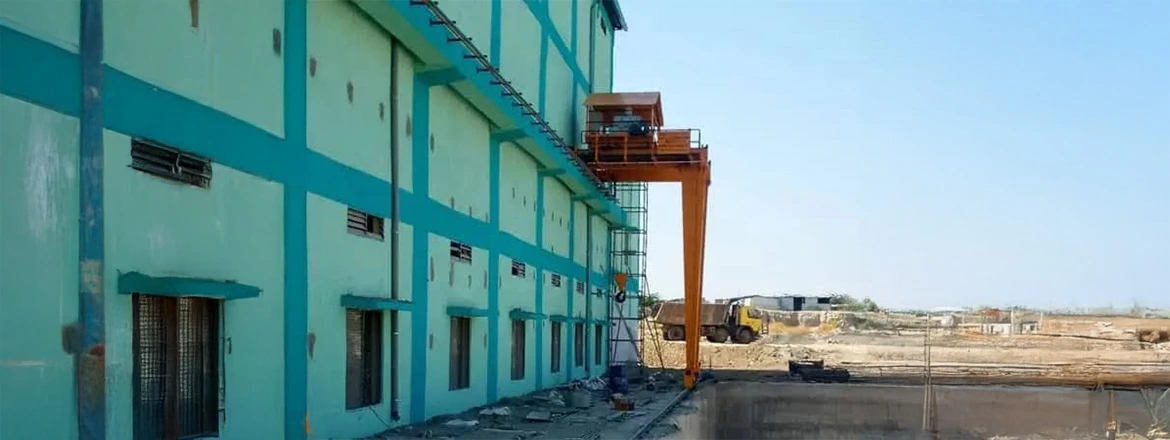
Gantry Cranes
Jib Cranes
Monorail & Workstation Cranes
Both types have their merits and you should select the one that suits your workspace organisation and work processes.
Load capacity is one of the most critical factors:
The problem of overloading may result in the equipment failure, whereas the situation of over-sizing results in unnecessary expenses. As an illustration, when your maximum weight to carry is 8 tons, a 10 ton crane will tend to be safer.
Two important technical parameters:
These are based on the height of the building, floor plan and obstructions within the space intended to be used. Making the wrong specification may restrict usability and performance.
The cranes are made to work at various intensities:
By not observing the duty cycle, overheating, wear and premature failure of components may occur.
Your plant contributes significantly to the choice of cranes.
Key considerations:
The working environment influences the crane operation and life.
The working environment influences the crane operation and life.
Others have cranes that are specially made to withstand the extreme environment like steel factories or the outdoors yard.
The safety must not be compromised.
Look for:
A well fitted crane minimises accidents at the workplace and also adherence to safety standards.
Purchasing a crane does not only have to do with the cost.
Consider
A less expensive crane can turn out to be expensive in the long run when it needs frequent service or the parts are difficult to find.
Lastly, the choice of the supplier is not less significant than the choice of a crane itself.
Look for:
Installation, inspection, and training can also be facilitated by a reputable supplier.
The selection of the appropriate crane is a question of capacity, environment, usage and cost. The most suitable crane may not be the largest or the least expensive, but the one that suits your operations perfectly.
Considering the requirements, the types of cranes, and long-term performance, you will be able to make a smart investment that will help your industry become more efficient, safe, and profitable.
Related Link: Different Types of Hoist Cranes and Industrial Applications
Related Links : Different Types of Hoist Cranes and Industrial Applications
TechMech Cranes have a strong tradition of being designed and built to provide reliable material handling solutions for our valued domestic and international customers.